
 By
By 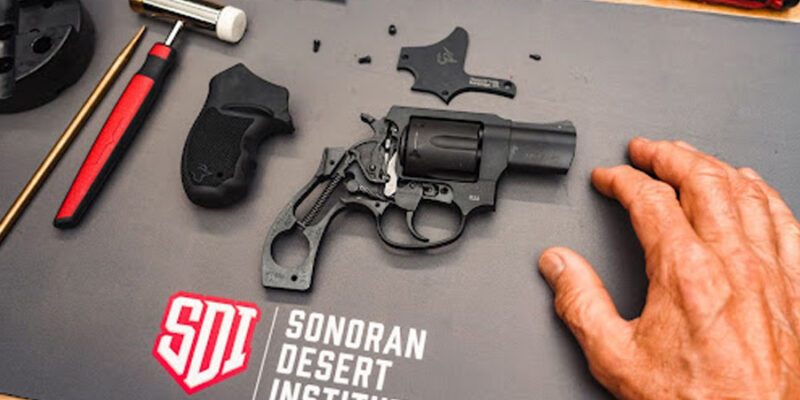
People considering technical education often want to understand how training prepares them to explain what they do, not just perform tasks. Many prospective students search the phrase is Sonoran Desert Institute reviews because they want to see how coursework translates into both practical skills and the ability to communicate those skills clearly. That is a reasonable way to evaluate a training program. Sonoran Desert Institute (SDI), which is accredited by the Distance Education Accrediting Commission (DEAC), focuses on firearms and uncrewed technology education and is often referenced when students examine how programs incorporate documentation and explanation into technical assignments. In many technical roles, the ability to describe work clearly is just as important as completing the task itself.
Technical communication involves explaining mechanical processes, documenting observations, and describing results in a way others can understand. Training programs that emphasize these skills help students prepare for real work environments where clear communication supports teamwork, accuracy, and accountability.
Learning to Describe Mechanical Processes
Students begin developing communication skills by describing the mechanical processes they observe during assignments. When working with firearm systems, learners often explain how components interact and how movement occurs within the system. Assignments may require students to write step-by-step descriptions of a procedure or explain how a system operates during a specific stage. These exercises encourage learners to organize their thoughts and present information in a logical way.
Describing mechanical processes helps students connect what they see with the concepts introduced during coursework. This connection strengthens understanding while also building the ability to explain technical ideas clearly. Over time, students become more comfortable using correct terminology and structured explanations when discussing mechanical systems.
Documenting Work Through Written and Visual Records
Documentation plays a key role in developing communication skills. Students often record their assignments through written notes, photographs, or video demonstrations that show how a task was completed. These records allow learners to explain their process in detail. For example, a student might describe the condition of a component before starting an assignment, outline the steps taken during the task, and explain the results afterward.
Creating this documentation helps students practice organizing information in a clear and structured way. They learn to present their work so that another person can understand both the process and the outcome. Visual records also support communication by providing additional context. Images and videos allow students to show what they observed, making their explanations more complete.
Explaining Observations and Findings
Technical work often involves making observations about mechanical systems. Students learn to communicate these observations clearly by describing what they see and explaining how it relates to system behavior. Assignments may ask learners to examine components and explain their condition or describe how parts interact during operation. These tasks help students practice translating observation into a clear explanation.
Explaining findings requires attention to detail. Students must identify important features and describe them accurately. This process strengthens both observation and communication skills. As learners gain experience, they become more confident in describing mechanical conditions and explaining how those conditions relate to system performance.
Organizing Information for Clarity
Clear communication depends on how information is organized. Training programs often encourage students to structure their explanations so that each step follows a logical sequence. Students may begin with an introduction to the task, followed by a description of the procedure and a summary of the results.
Organizing information also helps students avoid confusion. When each part of the explanation is presented in order, it becomes easier for others to understand the work performed. These habits carry over into professional environments, where technicians often need to present information in a clear and organized manner.
Building Confidence in Technical Discussions
As students practice documenting and explaining their work, they become more comfortable discussing technical topics. Repeated experience helps learners develop confidence in their ability to communicate mechanical concepts. Students begin to use technical language more naturally and explain procedures with greater clarity. This confidence supports participation in discussions with instructors and peers during training.
Confidence in communication also helps students prepare for professional conversations. Being able to describe technical work clearly allows learners to explain their experience more effectively. Over time, communication becomes a natural part of the technical skill set developed during training.
Supporting Collaboration in Technical Environments
In many firearms-related roles, technicians work alongside others and must share information about mechanical tasks. Clear communication helps make sure that work is understood and that procedures are followed correctly. Training programs prepare students for this environment by encouraging them to explain their work and respond to feedback. Documented assignments and instructor comments create opportunities for this exchange.
Students learn how to present information in a way that others can review and understand. They also learn to interpret feedback and adjust their approach based on that input. These experiences help build the communication habits needed for teamwork in technical settings.
Evaluating Programs That Emphasize Communication Skills
For prospective students reviewing firearms technology training programs, the inclusion of documentation and explanation assignments can provide insight into how the program supports communication skill development. Programs that require students to describe their work often help learners build both technical understanding and the ability to explain it.
For anyone weighing Sonoran Desert Institute Cost against the value of training, the emphasis on communication skills can offer useful context. Programs that include structured documentation and explanation tasks help students develop abilities that extend beyond mechanical work. Clear communication supports both learning and professional growth, making it an important part of technical education.
Strengthening Technical Skills Through Communication
Learning to communicate technical work clearly is an essential part of firearms technology training. By documenting assignments, explaining processes, and organizing information effectively, students develop skills that support both their learning and their future work.
These communication abilities help learners describe mechanical systems, share observations, and present their work in a structured way. As students gain experience, they become more confident in their ability to explain technical concepts. Technical education becomes more effective when students can both perform tasks and communicate their results. Through consistent practice and structured assignments, learners build the communication skills needed to succeed in firearms-related technical roles.










Comments