
 By
By 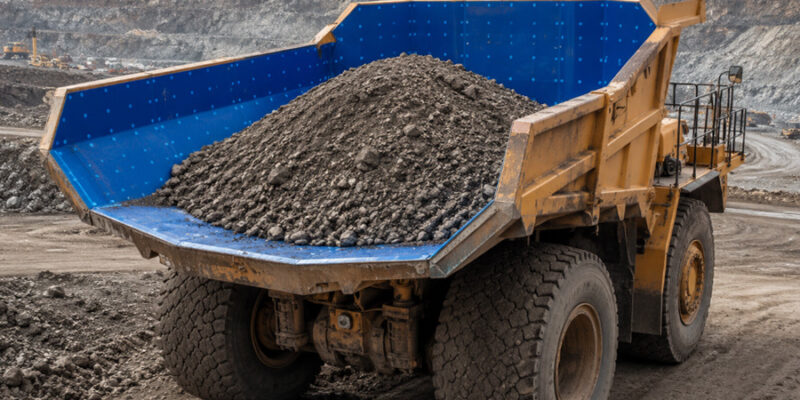
At a glance:
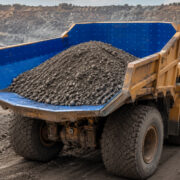
- In mining, sticky, compact and abrasive materials require manual clearing during unloading to prevent carryback.
- Manual clearing increases labour demand and places workers near unstable loads and raised truck bodies, raising exposure to site hazards.
- Poor material flow requires higher tip angles, increasing instability risk and placing additional strain on hydraulic systems.
- Low-friction liner systems like OKUSLIDE® enable consistent discharge, eliminating manual clearing while improving stability, safety and operational control.
Mining operations rely heavily on manual work that places workers in physically risky environments. One such critical area is material transport, particularly during unloading.
When materials do not discharge cleanly, manual intervention is often required to clear compacted or stuck loads. This exposes workers to unstable truck bodies, shifting loads and sudden material release, increasing the risk of injury.
This article explores the issues during unloading and how reliable vehicle bed liners, such as OKUSLIDE®, help reduce manual labour and improve safety in mining sites.
Issues at Mining Sites That Lead to Manual Labour and Injuries
When material fails to release cleanly, workers have to be involved manually to restore the flow. Consolidated or stuck loads require breaking the mass or repositioning vehicles for force release.
In mining operations handling wet or cohesive materials, this routine increases labour demand and results in inconsistent unloading across shifts.
More importantly, this intervention places workers in hazardous zones. The workforce is deployed near raised truck bodies and partially released loads. When material breaks free, the fall is hazardous and unpredictable. This significantly increases the risk of struck-by incidents and entrapment.
In addition, loads that adhere to the truck body require higher tip angles to initiate flow. This raises the centre of gravity, reduces vehicle stability and puts drivers and operators at risk. If the load releases suddenly, weight shifts abruptly, increasing tipping risk and placing additional strain on equipment.
Instead of a predictable process, operators must constantly adjust to material behaviour, leading to inefficiencies, greater risk exposure and increased operational pressure.
How OKUSLIDE® Helps Reduce These Risks
The core issue is not the tipping process itself, but the interaction between the material and the truck body. The issues are significantly reduced if low-friction liners are installed on truck bodies.
OKUSLIDE® UHMWPE liner offers a smooth surface that allows materials to move more freely, enabling consistent flow during tipping. Instead of sticking or consolidating, loads release more evenly across the truck body.
With more consistent discharge, the need for manual clearing is significantly reduced. This removes the requirement for workers to operate near unstable loads and raised truck bodies, directly lowering exposure to site hazards.
Improved material flow also means lower tip angles are sufficient to initiate discharge. This enhances vehicle stability, reduces stress on hydraulic systems and supports a safer, more controlled unloading process.
In mining environments where material conditions vary, OKUSLIDE® liners perform consistently across different load types, moisture levels and haulage conditions. This consistency helps maintain safe and predictable unloading cycles, regardless of changing site conditions.
If you are focused on improving efficiency while reducing site risk, optimising material flow is a practical place to start. Reach out to OKUSLIDE® to explore installation options and requirements suited to your fleet operations.






Comments