
 By
By 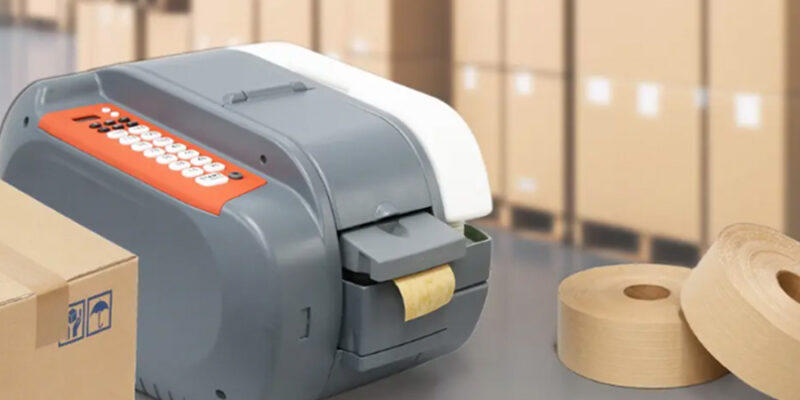
Walk into any busy fulfillment center, and you will see the same bottleneck: packers wrestling with plastic tape guns, guessing at strip lengths, and wrestling with rolls that refuse to tear cleanly. It is slow, wasteful, and increasingly out of step with what both customers and regulators expect. The alternative, a water activated tape dispenser, solves these problems in a way that feels almost obvious once you have seen it work. Instead of depending on pressure-sensitive adhesives that lose their grip over time, this equipment uses plain water to transform kraft paper tape into a permanent, fiber-tearing bond that actually becomes part of the box. It is a fundamental rethink of how cartons should be sealed.
The Real Cost of Sticking with Plastic Tape
Most warehouse managers track tape consumption by the number of rolls used, but that metric hides the true expense. Traditional plastic tape requires multiple strips to secure a box properly, especially if the carton is heavy or the tape gun is cheap. Then there is the problem of rejected shipments: when plastic tape fails in transit, the result is damaged goods, customer complaints, and return processing costs that eat into margins. A water activated tape dispenser eliminates these hidden costs. The gummed paper tape it dispenses bonds aggressively to corrugated surfaces, creating a seal that actually resists peeling and impact. One strip of water-activated tape often does the work of two or three strips of plastic, reducing both material consumption and application time.
How the Technology Has Evolved
The earliest water-activated dispensers were little more than a wet sponge and a cutting blade. Today’s water activated tape dispenser bears no resemblance to those crude tools. The latest models feature heated water reservoirs that maintain consistent temperature, ensuring the adhesive activates properly even in cold warehouses. Sensor technology has replaced push-button operation; just present the carton, and the machine dispenses the preset length automatically. With dispensing speeds reaching 60 meters per minute, these units keep pace with high-volume packing stations. Programmable memory allows operators to store multiple lengths, so a single machine can handle everything from small jewelry boxes to large appliance cartons without manual adjustment.
Where It Makes the Biggest Difference
Certain operations see particularly dramatic returns from switching to a water activated tape dispenser. E-commerce fulfillment centers handling thousands of orders daily benefit from the consistency and speed. Industrial manufacturers shipping heavy machinery components need the superior shear strength of water-activated tape to prevent box failure during rough handling. Food and beverage companies appreciate that the tape contains no volatile chemicals that could affect sensitive products. The cold chain logistics sector relies on its performance across temperature swings that would cause plastic adhesives to fail. In every case, the common thread is a seal that does not degrade over time, which is critical for shipments traveling long distances or sitting in distribution centers for extended periods.
The YJNPACK Advantage in Design and Support
Choosing a water activated tape dispenser means choosing a partner who understands the full packaging ecosystem. YJNPACK (Xiamen LinkAir Technology Co., Ltd.) has spent over fifteen years manufacturing protective packaging equipment, and that experience shows in the details of their machines. Their 8,000-square-meter facility houses more than 100 skilled workers, producing 1,500 units per month for customers across Europe, North America, and Southeast Asia. CE and FSC certifications confirm that these machines meet rigorous safety and environmental standards. For distributors, the company offers OEM customization that extends to branding, color choices, and even functional adjustments. Technical training, remote support, and stable inventory levels mean clients can scale their operations without worrying about equipment availability or service gaps.
Making the Switch
Many warehouse managers hesitate to adopt a water activated tape dispenser because they assume the transition will be complicated. The reality is quite different. Manual handheld models require no installation and work right out of the box, making them ideal for small operations or as a trial before committing to automated systems. For larger facilities, the sensor-activated units integrate seamlessly into existing packing stations, often requiring no more than a standard electrical outlet and a water supply. Training takes minutes, not hours, because the machines eliminate the guesswork of manual tape application. The learning curve is short, but the benefits—less waste, stronger seals, and a demonstrable sustainability improvement—compound over time.
Conclusion
A water activated tape dispenser is not just a piece of packing equipment; it is a statement about how a business approaches quality, efficiency, and environmental responsibility. As regulations tighten around single-use plastics and as consumers become more discerning about packaging choices, the decision to switch becomes increasingly strategic. With reliable manufacturers like YJNPACK offering proven technology, customization options, and global support, there has never been a better time to make the move. The question is no longer whether to adopt water-activated tape, but how quickly the transition can begin.






Comments